



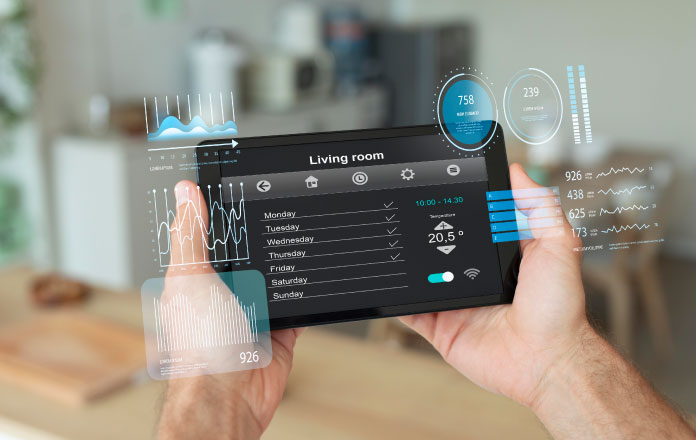
The application of the IoT technology has been a boon to hospitals in such a way that resources are put to better use in the form of a more productive, safer, and more humane patient care experience, an ideal environment for any potential improvement in clinical management. These IoT tools generate live feeds regarding the hospital’s operations so that the administrators can put resource use to better and more optimized use. These are the five most critical IoT applications converging patterns on hospital resource management.
IoT Sensors and Building Information Model (BIM)
The most important concern of the administration in utility expense management is the incorporation of IoT sensors and BIM. This unit finally gives a granular detail of how hospitals consume energy. These IoT sensors, which exist in hospital buildings, collect real-time data about electricity and HVAC use and allow managers to find inefficiencies, dim lights automatically in unoccupied areas, balance HVAC usage, conserve energy, and save costs.
Patient Flow Monitoring
Such patient flow management is a must for securing the hospital. Besides high efficiency, with IoT location sensors, the administration can monitor foot traffic and know where congested areas or bottlenecks may occur. This live data enables the administration to change things needed to improve the movement within the facilities. Patients and staff may also be monitored through wearable sensors; however, these hospital sensors have to ensure data privacy and a substantial degree of cybersecurity for the sensitive nature of their data.
Wearables for Inpatients and Outpatients
Mobile health or telehealth was institutionalized through wearable devices because such devices are expected to monitor patients inside and after hospital discharge. For example, smart wristbands could monitor all the vital signs, thus economizing resource allocation to health professionals. It provides high outpatient coverage with patient safety, ensuring medication adherence and alerts against health risks for older adults and at-risk persons.
Cleaning Patrol
IoT tools increased efforts for hospital sanitization by tracking cleaning activity and foot traffic. This ensures adequate cleaning in areas with high traffic to eliminate blind spots. Additionally, IoT promotes automation as it works with robotic cleaning systems to create a more efficient and hygienic environment.
Inventory and Equipment Tracking
With real-time availability updates, using IoT sensors simplifies health facilities’ inventory and equipment management systems for creaming purposes. This ensures that critical medical devices and rooms are utilized maximally to eliminate patient care delays. This usage data will also provide a basis for administrators to prioritize procuring highly demanded equipment.
The IoT benefits in health care: such IoT solutions can turn up hospital management visibility and improve resource utilizations in enhancing patient care; these tools can help hospitals deliver safer, more efficient, and patient-centered services.